

As a supplier of marine loading arms, I often get asked about the international certifications for these essential pieces of equipment. Marine loading arms are used to transfer various liquids, such as oil, gas, and chemicals, between ships and onshore storage facilities. Ensuring they meet international standards is crucial for safety, efficiency, and compliance. In this blog, I'll break down some of the key international certifications for marine loading arms.
ISO Standards
The International Organization for Standardization (ISO) sets a wide range of standards that are recognized globally. For marine loading arms, ISO 13702 is particularly relevant. This standard focuses on the design, testing, and installation of flexible pipes and their accessories for the transfer of liquefied petroleum gases (LPG) and other fluids. Compliance with ISO 13702 means that the marine loading arm has been designed and tested to meet strict safety and performance criteria.
Another important ISO standard is ISO 14744, which deals with the acceptance testing of industrial robots. While this might seem unrelated at first glance, many modern marine loading arms are equipped with robotic or automated features. Meeting ISO 14744 ensures that these automated functions are reliable and safe to use.
API Standards
The American Petroleum Institute (API) is well - known for its standards in the oil and gas industry. API 1584 specifically addresses the design, installation, operation, and maintenance of marine loading arms for the transfer of petroleum products. This standard covers everything from the materials used in construction to the safety features required. For example, it specifies the minimum wall thickness for pipes, the requirements for swivel joints, and the need for emergency release systems.
When a marine loading arm is API 1584 certified, it gives customers confidence that the product has been designed and built to handle the harsh conditions of petroleum product transfer. It also helps ensure compatibility with other equipment in the oil and gas supply chain.
CE Marking
CE marking is a mandatory conformity marking for products sold within the European Economic Area (EEA). It indicates that the product meets all the relevant European health, safety, and environmental protection requirements. For marine loading arms, CE marking shows that the product complies with the Machinery Directive, which covers the safety of machinery, and other relevant directives such as the Pressure Equipment Directive (PED) if the arm is used for high - pressure applications.
Getting CE marking involves a rigorous assessment process. Manufacturers need to provide technical documentation, perform tests, and ensure that their production processes are in line with European standards. As a supplier, having CE - marked marine loading arms allows us to offer our products in the European market, which is a significant advantage.
ATEX Certification
ATEX certification is essential for marine loading arms used in potentially explosive atmospheres. This certification is based on the ATEX directives in the European Union, which aim to prevent explosions in workplaces where flammable substances are present. Marine loading arms used for transferring volatile liquids like gasoline or LNG are likely to be in such environments.
ATEX - certified marine loading arms are designed to minimize the risk of ignition. They use special materials and construction techniques to prevent the generation of sparks or excessive heat. For example, the electrical components are carefully selected and installed to ensure they do not create a source of ignition.
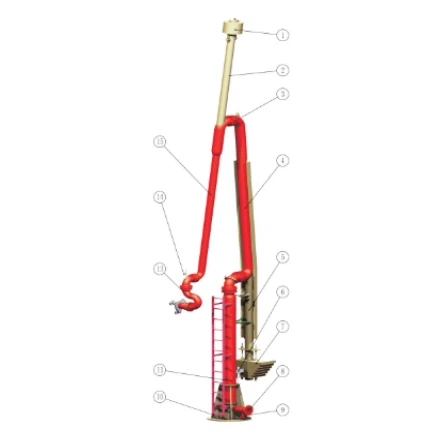

Our Product Range and Certifications
At our company, we offer a diverse range of marine loading arms to meet different customer needs. We have LNG Marine Loading Arm designed specifically for the transfer of liquefied natural gas. These arms are built to handle the extremely low temperatures and high - pressure conditions associated with LNG. They are certified to meet ISO, API, and ATEX standards, ensuring safe and efficient operation.
Our Marine Loading Arm QCDC is another popular product. It features a quick - connect and disconnect system, which allows for faster and more efficient loading and unloading operations. This arm is CE - marked, making it suitable for the European market, and also complies with API standards for general petroleum product transfer.
We also have Oil Marine Loading Arm for the transfer of various oil products. These arms are designed to withstand the corrosive nature of oil and are certified according to API 1584 and other relevant standards.
Why Certifications Matter
Certifications are not just pieces of paper. They represent a commitment to quality, safety, and compliance. When a customer buys a certified marine loading arm, they can be sure that the product has been thoroughly tested and meets the highest industry standards. This reduces the risk of accidents, downtime, and costly repairs.
For us as a supplier, having these certifications gives us a competitive edge in the market. It shows that we are a reliable and professional company that takes the safety and satisfaction of our customers seriously.
Contact Us for Your Marine Loading Arm Needs
If you're in the market for a marine loading arm, whether it's for oil, gas, or chemical transfer, we'd love to hear from you. Our team of experts can help you choose the right arm for your specific requirements and ensure that it meets all the necessary international certifications. Contact us today to start the procurement process and let's work together to find the best solution for your marine loading needs.
References
- International Organization for Standardization (ISO). ISO 13702:2019. Petroleum and natural gas industries — Flexible pipes and their accessories for the transfer of liquefied petroleum gases (LPG) and other fluids.
- American Petroleum Institute (API). API 1584:2018. Design, Installation, Operation, and Maintenance of Marine Loading Arms for Petroleum Products.
- European Union. Machinery Directive 2006/42/EC.
- European Union. Pressure Equipment Directive 2014/68/EU.
- European Union. ATEX Directives 2014/34/EU.