

The lifespan of an LNG (Liquefied Natural Gas) bottom loading arm is a crucial consideration for industries involved in the transfer of this valuable and volatile commodity. As a leading supplier of LNG bottom loading arms, we understand the significance of providing reliable equipment with a long - lasting performance. In this blog, we will explore the factors that influence the lifespan of an LNG bottom loading arm and offer insights on how to extend its service life.
Factors Affecting the Lifespan of LNG Bottom Loading Arms
1. Material Quality
The materials used in the construction of an LNG bottom loading arm play a fundamental role in determining its lifespan. LNG operates at extremely low temperatures, typically around -162°C. Therefore, the loading arm must be made of materials that can withstand these frigid conditions without becoming brittle or losing their structural integrity.
Stainless steel is a commonly used material for LNG bottom loading arms due to its excellent corrosion resistance and low - temperature toughness. High - quality stainless steel alloys can resist the formation of cracks and fractures caused by thermal stress and chemical exposure. For example, duplex stainless steel offers a good balance of strength and corrosion resistance, making it suitable for long - term use in LNG applications.
2. Design and Engineering
A well - designed LNG bottom loading arm takes into account various factors such as the movement requirements, fluid dynamics, and safety features. Proper design ensures that the loading arm can handle the flow of LNG without excessive stress on its components.
For instance, the articulation points of the loading arm should be designed to allow smooth and precise movement. The use of high - quality bearings and joints reduces friction and wear, extending the life of these critical parts. Additionally, the design should incorporate features to prevent over - extension or over - rotation, which can cause damage to the loading arm.
3. Operating Conditions
The environment in which the LNG bottom loading arm operates has a significant impact on its lifespan. Factors such as temperature, humidity, and the presence of corrosive substances can accelerate wear and tear.
In regions with high humidity, moisture can cause corrosion on the external surface of the loading arm. To mitigate this, protective coatings can be applied to the arm to act as a barrier against moisture and corrosive agents. Similarly, if the LNG contains impurities or contaminants, it can cause internal damage to the loading arm. Regular inspection and maintenance of the filtration systems can help prevent such damage.
Typical Lifespan of LNG Bottom Loading Arms
On average, a well - maintained LNG bottom loading arm can have a lifespan of 10 to 20 years. However, this can vary depending on the factors mentioned above.
Loading arms that are made of high - quality materials, have a robust design, and are operated in favorable conditions can last towards the upper end of this range. Conversely, if the loading arm is exposed to harsh environments, improper handling, or lack of maintenance, its lifespan can be significantly reduced.
It's important to note that the lifespan of an LNG bottom loading arm is not a one - size - fits - all concept. Some components may need to be replaced earlier than others. For example, seals and gaskets are subject to more frequent wear and may need to be replaced every few years, while the main structural components of the loading arm can last for a decade or more.
Extending the Lifespan of LNG Bottom Loading Arms
1. Regular Maintenance
Regular maintenance is the key to extending the lifespan of an LNG bottom loading arm. This includes visual inspections, lubrication of moving parts, and testing of safety features.
Visual inspections can help detect early signs of wear, corrosion, or damage. Any signs of cracks, leaks, or abnormal wear should be addressed immediately. Lubrication of bearings and joints reduces friction and prevents premature wear. Safety features such as emergency shutdown valves and overfill protection devices should be tested regularly to ensure they are functioning properly.
2. Training
Proper training of operators is essential for the long - term performance of the LNG bottom loading arm. Operators should be educated on the correct operation procedures, including how to handle the loading arm, how to connect and disconnect it from the storage tank, and how to respond to emergency situations.
Improper operation, such as overloading the loading arm or using excessive force during connection and disconnection, can cause damage to the arm. By providing comprehensive training, operators can minimize the risk of such damage and ensure the safe and efficient operation of the loading arm.
3. Upgrades and Retrofits
As technology advances, it may be beneficial to upgrade or retrofit the LNG bottom loading arm. Upgrades can improve the performance, safety, and reliability of the loading arm.
For example, new control systems can be installed to provide better monitoring and control of the loading process. Retrofit of more advanced seals and gaskets can improve the sealing performance and reduce the risk of leaks. By keeping the loading arm up - to - date with the latest technology, its lifespan can be extended, and its performance can be optimized.

Our Product Offerings
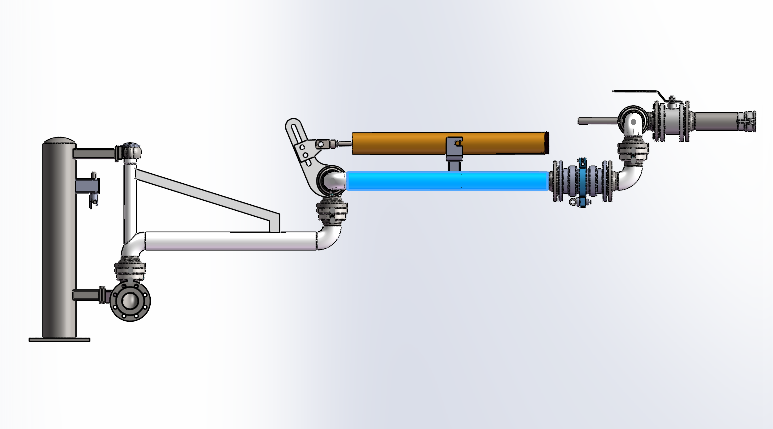
We are proud to offer a range of high - quality LNG bottom loading arms, including the Bottom Sealed Loading Arm AL2503 and the Bottom Loading Arm AL2404. These products are designed with the latest technology and high - quality materials to ensure long - lasting performance in the most demanding LNG applications. You can also explore our full range of LNG Bottom Loading Arms.
Contact Us for Purchase and Consultation
If you are in the market for an LNG bottom loading arm or want to learn more about how to extend the lifespan of your existing equipment, we invite you to contact us. Our team of experts can provide you with detailed product information, answer your technical questions, and assist you in selecting the right loading arm for your specific needs. Whether you are a small - scale operator or a large - scale industrial facility, we are committed to providing you with the best solutions for your LNG transfer requirements.
References
- "LNG Handling and Storage: Best Practices", International Gas Union, 2020
- "Materials Selection for Cryogenic Applications", ASM International Handbook Vol. 2, 2018
- "Design and Operation of Loading Arms for Liquefied Gases", API Standard 2004, American Petroleum Institute, 2019