

Hey there! As a supplier of bottom loading arms, I often get asked about the pressure rating of these essential pieces of equipment. So, let's dive right in and break down what the pressure rating of a bottom loading arm really means.
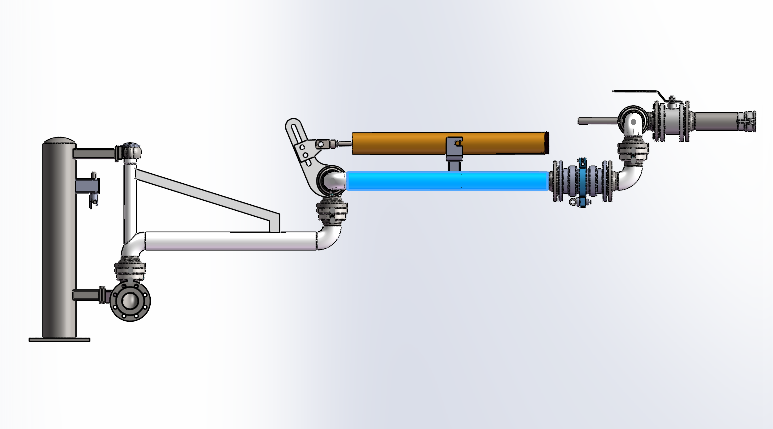
First off, what's a bottom loading arm? Well, it's a specialized device used in the transfer of liquids, mainly in the oil and gas industry, but also in other sectors where bulk liquid handling is required. These arms are designed to connect storage tanks to transport vehicles, like trucks or railcars, at the bottom of the tank. This method of loading is more efficient, safer, and reduces the risk of spills compared to top loading.
Now, onto the pressure rating. The pressure rating of a bottom loading arm is the maximum amount of pressure that the arm can safely handle during the liquid transfer process. It's a crucial specification because if the pressure exceeds this rating, it can lead to serious problems, such as leaks, structural damage, or even catastrophic failure.
There are several factors that determine the pressure rating of a bottom loading arm. One of the main factors is the material used in its construction. Different materials have different strength and durability characteristics. For example, stainless steel is a popular choice for bottom loading arms because it's corrosion-resistant and can withstand high pressures. Carbon steel is also used, but it may require additional protection against corrosion.
The design of the arm also plays a significant role in its pressure rating. The thickness of the pipes, the quality of the joints, and the overall structural integrity all contribute to how much pressure the arm can handle. A well-designed arm with proper reinforcement and high-quality components will have a higher pressure rating.
Another important factor is the type of liquid being transferred. Different liquids have different properties, such as viscosity and density, which can affect the pressure during transfer. For instance, transferring a highly viscous liquid like heavy oil will require more pressure than transferring a lighter liquid like gasoline.
So, how do you know what pressure rating you need for your bottom loading arm? It depends on your specific application. If you're working in an industry where high-pressure transfers are common, like in a refinery or a chemical plant, you'll need an arm with a higher pressure rating. On the other hand, if you're dealing with lower-pressure applications, like in a small fuel depot, a lower pressure-rated arm may be sufficient.
At our company, we offer a range of bottom loading arms with different pressure ratings to meet the diverse needs of our customers. For example, our Bottom Sealed Loading Arm AL2503 is designed to handle moderate pressures and is suitable for a variety of applications. It's made from high-quality materials and has a robust design to ensure reliable performance.
If you need a bottom loading arm with a higher pressure rating, our Bottom Sealed Loading Arm AL2503 is a great option. It's built to withstand higher pressures and is ideal for more demanding applications.
We also have the Bottom Loading Arm AL2404, which is another popular choice among our customers. It offers a good balance between pressure rating and cost, making it a cost-effective solution for many applications.
When selecting a bottom loading arm, it's important to work with a reputable supplier who can provide you with accurate information and guidance. We have a team of experts who can help you determine the right pressure rating for your specific needs. We can also provide installation, maintenance, and repair services to ensure that your bottom loading arm operates safely and efficiently.
In addition to the pressure rating, there are other important considerations when choosing a bottom loading arm. These include the length of the arm, the swivel joints, the connection types, and the compatibility with your existing equipment. Our experts can help you evaluate these factors and make the best decision for your operation.
If you're in the market for a bottom loading arm, I encourage you to get in touch with us. We'd be happy to discuss your requirements and provide you with a customized solution. Whether you need a single arm or a complete loading system, we have the expertise and the products to meet your needs.
In conclusion, the pressure rating of a bottom loading arm is a critical specification that determines its safety and performance. By understanding the factors that affect the pressure rating and working with a reliable supplier, you can ensure that you choose the right arm for your application. So, don't hesitate to reach out to us if you have any questions or need assistance with your bottom loading arm needs.

References:
- Industry standards and guidelines for bottom loading arms
- Technical literature from bottom loading arm manufacturers
That's all for now. I hope this blog post has been helpful in understanding the pressure rating of bottom loading arms. If you have any further questions or comments, feel free to leave them below. Thanks for reading!