

Transporting a marine loading arm is no small feat. As a supplier of marine loading arms, I've seen firsthand the challenges and considerations involved in getting these large, complex pieces of equipment from our facility to the customer's site. In this blog, I'll share some tips and insights on how to transport a marine loading arm safely and efficiently.
Understanding the Marine Loading Arm
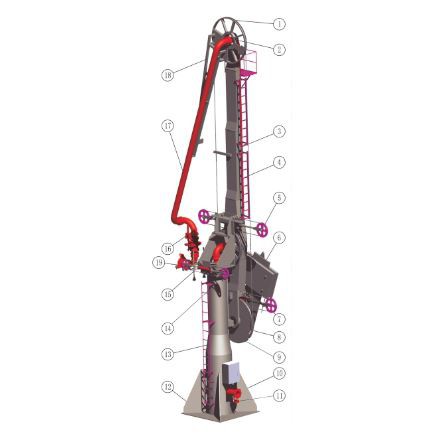
Before we dive into the transportation process, let's quickly go over what a marine loading arm is. Marine loading arms are used to transfer liquids, such as oil or LNG, between ships and onshore storage facilities. They come in different types and sizes, depending on the specific application. You can check out our LNG Marine Loading Arm and Oil Marine Loading Arm pages to get a better idea of the variety we offer.
Pre - Transport Preparation
The first step in transporting a marine loading arm is thorough preparation. This starts with a detailed assessment of the arm itself. We need to know the exact dimensions, weight, and any special features or components that might affect the transport. For example, some arms have sensitive control systems that need extra protection.
We also have to work closely with the customer to understand the delivery location. Is it a remote port with limited access? Are there any height or weight restrictions on the roads leading to the site? All these factors play a crucial role in choosing the right transport method.
Choosing the Right Transport Method
There are several options when it comes to transporting a marine loading arm:
Road Transport
Road transport is often the first choice for shorter distances. It offers flexibility, as trucks can reach a wide range of locations. However, there are limitations. The size and weight of the marine loading arm can be a major issue. We need to ensure that the truck has the right capacity and that the route is suitable. Some roads may have low bridges or narrow passages that could pose a problem.

Rail Transport
For longer distances within a country or region, rail transport can be a good option. Trains can carry heavy and large loads more easily than trucks. But, we need to consider the availability of rail connections to the customer's site. Also, there might be additional handling required at the rail terminals, which adds to the complexity.
Sea Transport
If the customer is located overseas or in a coastal area, sea transport is usually the most practical choice. We can use specialized cargo ships or container vessels. Sea transport can handle large - scale shipments, but it takes longer. We have to account for the shipping schedule, potential delays due to weather, and customs clearance procedures.
Packaging and Protection
Once we've chosen the transport method, the next step is to package and protect the marine loading arm. We use high - quality materials to ensure that the arm is safe during transit. For the main structure, we might use steel frames or wooden crates. These provide support and prevent damage from impacts.
The more delicate parts, like the hoses and control valves, are carefully wrapped in foam or other cushioning materials. We also label all the components clearly to make it easier for the customer to assemble the arm once it arrives.
Loading and Unloading
Loading and unloading the marine loading arm require special equipment and trained personnel. When using trucks, we use cranes or forklifts to lift the arm onto the vehicle. The same goes for rail and sea transport. At the destination, the process is reversed.
It's important to follow strict safety procedures during loading and unloading. The arm has to be placed in the right position to avoid any imbalance or damage. We also need to secure it properly to prevent movement during transit.
Monitoring the Shipment
During the transport, we keep a close eye on the shipment. We use tracking systems to know the exact location of the arm at all times. This helps us anticipate any potential delays or issues. If there are any problems, such as a traffic jam on a road - transported shipment or a weather - related delay at sea, we can quickly inform the customer and come up with a solution.
On - Site Assembly and Commissioning
Once the marine loading arm arrives at the customer's site, our work isn't done. We usually send a team of technicians to assist with the assembly and commissioning. This ensures that the arm is installed correctly and is ready to use.
We also provide training to the customer's staff on how to operate and maintain the arm. This helps to ensure the long - term performance and safety of the equipment.
Cost Considerations
Transporting a marine loading arm can be expensive. The cost depends on several factors, such as the transport method, distance, and any special requirements. However, we always try to find the most cost - effective solution for our customers without compromising on safety and quality.
Conclusion
Transporting a marine loading arm is a complex process that requires careful planning, the right choice of transport method, and proper packaging and protection. By working closely with the customer and using our expertise, we can ensure that the arm arrives at the destination safely and on time.
If you're in the market for a Marine Loading Arm, whether it's for oil or LNG, we're here to help. Our team has years of experience in handling all aspects of the supply chain, from manufacturing to transportation. Contact us to discuss your requirements and let's start a conversation about how we can meet your needs.
References
- Industry best practices in heavy equipment transportation
- Case studies of marine loading arm transports