

As a supplier of LPG Marine Loading Arms, I understand the importance of ensuring these critical pieces of equipment function smoothly. In this blog post, I will share some comprehensive troubleshooting strategies to help you address common issues with LPG Marine Loading Arms effectively.
Understanding the Basics of LPG Marine Loading Arms
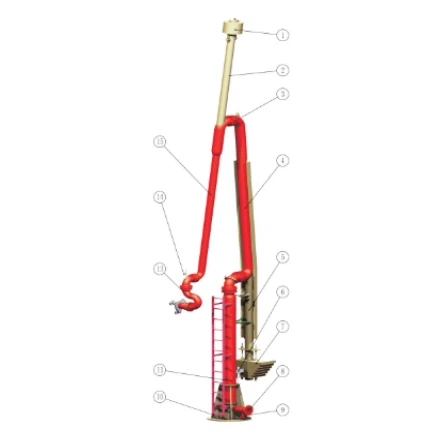
Before diving into troubleshooting, it's essential to have a basic understanding of how LPG Marine Loading Arms work. These loading arms are complex mechanical systems designed to transfer liquefied petroleum gas (LPG) between storage facilities and vessels safely and efficiently. They typically consist of multiple articulated sections, swivel joints, hoses, and valves. The proper operation of each component is crucial for the overall performance of the loading arm.
General Inspection
The first step in troubleshooting any LPG Marine Loading Arm is a thorough visual inspection. Check for any signs of physical damage, such as cracks, dents, or leaks. Pay close attention to the swivel joints, hoses, and valves. Loose or damaged components can lead to significant operational problems. Additionally, inspect the mounting structure to ensure it is stable and properly secured.
Identifying Leaks
Leaks are one of the most common issues with LPG Marine Loading Arms. To locate a leak, use a soapy water solution. Apply the solution to all connection points, including the swivel joints and valve stems. If there are any leaks, bubbles will form at the leak site. Once a leak is detected, it's important to determine its cause. Leaks can be caused by worn seals, loose fittings, or damaged components. Replace any worn or damaged seals and tighten all fittings as necessary.
Swivel Joint Issues
The swivel joints in an LPG Marine Loading Arm allow for flexibility and smooth movement. However, they can also experience problems over time. If you notice excessive resistance when moving the loading arm, it could indicate a problem with the swivel joints. Check for debris or corrosion inside the joints. Cleaning the joints or applying a suitable lubricant can often resolve this issue. In some cases, the swivel joint may need to be replaced if it is severely damaged.
Valve Problems
Valves play a crucial role in controlling the flow of LPG through the loading arm. If you encounter issues with valve operation, such as difficulty opening or closing, or leaks around the valve stem, there are several things you can check. First, ensure that the valve is properly lubricated. If the problem persists, inspect the valve for any internal damage, such as a worn valve seat or a damaged valve plug. Replace any damaged components as needed.
Hose Inspection
The hoses in an LPG Marine Loading Arm are subject to wear and tear due to constant movement and exposure to LPG. Inspect the hoses for any signs of cracking, abrasion, or bulging. If you find any damaged hoses, they should be replaced immediately. Additionally, check the hose connections to ensure they are tight and secure. Loose connections can lead to leaks and other safety hazards.
Electrical and Control System Checks
Many modern LPG Marine Loading Arms are equipped with electrical and control systems to automate certain functions. If you experience problems with the control system, such as inaccurate readings or malfunctioning sensors, start by checking the power supply. Ensure that all electrical connections are secure and that there are no blown fuses. If the problem persists, it may require a more in - depth diagnostic using specialized testing equipment.
Calibration and Alignment
Proper calibration and alignment of the LPG Marine Loading Arm are essential for accurate and efficient operation. Over time, the loading arm may become misaligned due to normal wear and tear or external factors. Use appropriate measuring tools to check the alignment of the various components. If misalignment is detected, adjust the components according to the manufacturer's specifications. Additionally, calibrate any sensors or gauges to ensure accurate readings.
Training and Maintenance Records
One of the most effective ways to troubleshoot LPG Marine Loading Arms is to ensure that your operators are well - trained. Provide regular training on the proper operation, maintenance, and troubleshooting of the loading arms. Keep detailed maintenance records, including inspection dates, repairs, and replacements. These records can help you identify recurring issues and plan for preventive maintenance.
Related Products and Their Applications
In addition to LPG Marine Loading Arms, we also offer a range of related products. For those dealing with liquefied natural gas (LNG), our LNG Marine Loading Arm is designed to meet the specific requirements of LNG transfer. The Oil Marine Loading Arm is suitable for the transfer of various types of oil products. And our Marine Loading Arm QCDC provides quick - connect and disconnect capabilities, enhancing the efficiency of the loading and unloading process.
Conclusion
Troubleshooting an LPG Marine Loading Arm requires a systematic approach. By conducting regular inspections, addressing issues promptly, and ensuring proper maintenance, you can minimize downtime and ensure the safe and efficient operation of your loading equipment. If you encounter any problems that you are unable to resolve on your own, don't hesitate to contact us. We have a team of experienced technicians who can provide you with the necessary support and guidance.

If you are in the market for a new LPG Marine Loading Arm or need to upgrade your existing equipment, we are here to help. Our products are designed with the latest technology and highest quality standards to meet your specific needs. Contact us today to start a discussion about your requirements and explore the possibilities of working together.
References
- Industry standards for LPG Marine Loading Arms
- Manufacturer's manuals for LPG Marine Loading Arms
- Technical papers on the maintenance and troubleshooting of LPG transfer equipment